Roof repair or roof replacement is usually the question that comes up after something already feels wrong.
A stain on the ceiling.
A few shingles in the yard.
A slow drip near a bathroom vent.
A soft spot on the roof that makes your stomach drop a little when you see it.
Most people do not wake up excited to deal with roof problems. We get that. Roof work is one of those things homeowners and property owners would rather not think about until the roof forces the issue. Then it gets urgent fast.
At Merit Roofing & Construction, we talk with homeowners, business owners, property managers, and real estate folks who are trying to make the same decision. Can this roof be repaired, or is it time to replace it?
That answer depends on the roof.
Sounds simple. It is not always simple.
A roof can have one ugly spot and still have years of life left. Another roof can look decent from the driveway and have damage spread across the shingles, flashing, decking, and vents. That is why guessing costs people money. Sometimes it costs them twice.
We believe in looking first, explaining second, and recommending the option that actually makes sense.
A Roof Repair Makes Sense When The Problem Stays In One Area
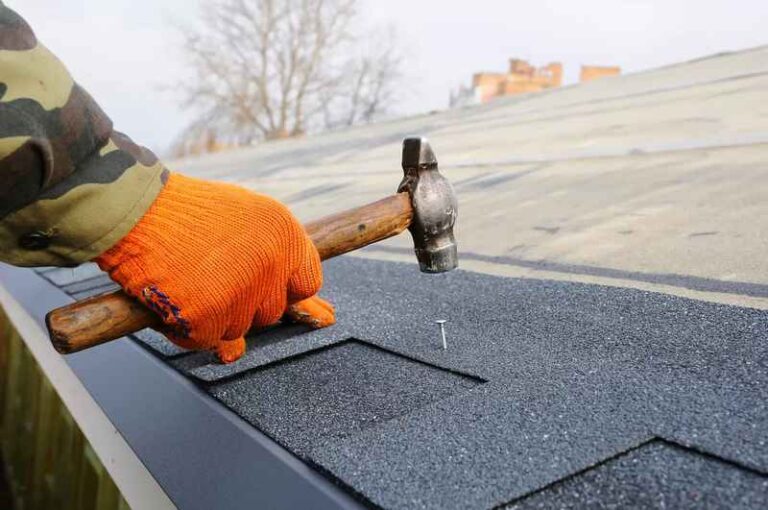
Roof repair is the right call when the damage is small, contained, and tied to a clear cause.
Maybe wind lifted a few shingles. Maybe a pipe boot cracked. Maybe flashing near a wall or chimney pulled loose. Maybe a branch hit one section of the roof and damaged a few shingles.
That kind of problem can often be fixed without replacing the whole roof.
Good.
Nobody wants to spend money they do not need to spend.
But here is where people get into trouble. They see a leak and think the leak is the problem. Most of the time, the leak is only the symptom. The real problem may sit higher up the roof, under a shingle, around a vent, near a valley, or behind a piece of flashing.
Water is sneaky. It can enter in one spot, run along wood or framing, and show up somewhere else inside the house.
So when we handle roof repair, we do more than slap sealant on the obvious area and call it a day. We check the surrounding shingles. We check the roof penetration. We look for lifted edges. We look at nearby decking. We want to know why water got in.
That detail matters.
A real repair should solve the cause, not just quiet the complaint for a few weeks.
A Roof Replacement Makes Sense When The Roof Keeps Telling The Same Story
Some roofs stop being repair jobs.
They may still look “fine” to the homeowner. They may even have a few clean-looking sections. But once we walk the roof, the pattern shows up.
Cracked shingles.
Brittle edges.
Granules sitting in the gutters.
Soft decking.
Old flashing.
Leaks in more than one area.
Patches from past repairs.
Storm damage across multiple slopes.
At that point, we have to be honest. A repair may buy a little time, but it may not be the best use of your money.
Think about it this way.
If one tire has a nail, you fix the tire. If all four tires are bald, you do not keep patching one tire every other month and hope for the best. A roof works the same way. One damaged area can be a repair. A roof system that has worn down across the home needs a bigger conversation.
Our roof replacement work gives homeowners and property owners a clean reset. New materials. New underlayment. New flashing details where needed. Better protection. Stronger curb appeal. Better peace of mind when the next storm rolls in.
And around here, storms are part of the deal.
Age Changes The Math
A 6-year-old roof with a small leak and one damaged vent boot usually points toward a repair.
A 19-year-old roof with the same leak may point somewhere else.
That does not mean every older roof needs replacement right away. Some older roofs hold up well because the materials, installation, ventilation, and maintenance all lined up the right way. Other roofs age faster because heat, wind, poor attic ventilation, trees, bad drainage, or sloppy installation beat them down.
We look at age because it helps us judge risk.
An older shingle can crack when someone tries to repair around it. A newer shingle usually has more flexibility. An older roof may have several weak spots waiting for the next hard rain. A newer roof may only need one small fix.
This is why homeowners get frustrated after a cheap patch. The patch holds for a little while. Then a new leak appears six feet away. Then another. Then the ceiling needs paint again.
Nobody enjoys that cycle.
A roof inspection helps you see the pattern before you keep feeding money into small fixes that no longer make sense.
Storm Damage Can Make A Small Problem Bigger
After a storm, many homeowners look outside, see a few branches down, check the ceiling, and move on.
That may be fine.
It may also miss damage that will show up later.
Wind can lift shingles and break the seal underneath. Hail can bruise shingles and knock granules loose. Debris can hit vents, flashing, gutters, ridge caps, and roof edges. Heavy rain can test every weak point at once.
Some storm damage looks obvious. Some of it does not.
A missing shingle is easy to spot. Hail impact can take a trained eye. Lifted shingles may lay back down after the storm, but the seal has already been weakened. That can lead to trouble later when the next round of wind and rain hits.
When we inspect storm damage, we look for patterns across the roof. One small area may lead to a repair. Damage across multiple slopes may lead to a replacement recommendation. The roof tells us which way the job should go.
Documentation also matters. Photos matter. Clear notes matter. If insurance becomes part of the process, you want real information, not guesswork.
The Roof May Look Better Than It Is
We have seen plenty of roofs that look passable from the driveway.
That view can fool people.
A front slope may look clean because it gets less sun. The back slope may be cooked. A section under trees may hold moisture and debris. One valley may carry too much water during heavy rain. The area around a chimney may have old flashing that finally gave up.
A roof is a system. Shingles are only the part everyone sees.
Under those shingles, you have decking, underlayment, nails, flashing, vents, pipe boots, drip edge, valleys, ridges, and ventilation details. If one part fails, water can find a path inside.
That is why we do not like driveway guesses.
We want to see the roof up close when it is safe to do so. We want to see how the materials are aging. We want to know where the water is moving. We want to check the areas that usually cause problems.
The roof has answers. We just have to look.
When A Repair Usually Makes Sense
Here are the roof situations where repair may be a good option:
| Roof Situation | Why Repair May Work |
|---|---|
| A few missing shingles | The damage may stay limited to one small area |
| One cracked pipe boot | The leak source may be clear and easy to correct |
| Minor flashing issue | A targeted repair may stop the water entry |
| One small branch impact | The damaged section may be isolated |
| Newer roof with one problem spot | The rest of the roof may still have strong life left |
| Small leak caught early | Fast repair may prevent bigger interior damage |
A repair works best when the roof around the problem still looks solid.
That last part matters most.
If the surrounding shingles are brittle, curled, or loose, a “simple” repair can turn into a larger issue. We explain that before work begins because surprises on roof jobs rarely make anyone happy.
When Replacement Starts Making More Sense
Replacement becomes the smarter move when the roof has several signs of wear or damage at the same time.
Here are the situations that usually get our attention:
| Roof Situation | Why Replacement May Be Smarter |
|---|---|
| Several leaks | The roof may have system-wide failure points |
| Widespread granule loss | The shingles may have lost key protection |
| Curled or brittle shingles | Repairs may damage surrounding materials |
| Soft decking | Water may have already reached the structure |
| Repeated repair calls | The roof may be past the point of useful patches |
| Storm damage across several slopes | The damage may cover too much area for spot repair |
| Roof near the end of its life | Money spent on repairs may only delay replacement |
This is the part where we usually slow the conversation down.
A roof replacement costs more than a repair. Everybody knows that. But a failing roof can also damage drywall, insulation, flooring, electrical fixtures, inventory, furniture, and framing.
A bad roof can turn one bill into five.
That is the real cost people need to think about.
Commercial Roofs And Rental Properties Need Faster Decisions
A homeowner may live with a small stain for a few days while they make calls.
A business owner may not have that luxury.
A leak over office equipment, retail inventory, warehouse materials, restaurant seating, medical records, or tenant space creates a different level of pressure. Property managers also have to think about complaints, lease issues, repair records, vendor timing, and long-term maintenance budgets.
Roof decisions on commercial and rental properties need a practical eye.
Will a repair stop the current issue? Good.
Will that repair hold through the next storm season? Better question.
Will the same roof create three more service calls this year? That is the question that hits the budget.
We help property owners think through the short-term fix and the longer-term plan. Sometimes that means repair now and plan replacement later. Sometimes it means replacement now because the roof has already crossed the line.
Materials Matter Too
Most residential roofs in our area use asphalt shingles. They remain popular because they give homeowners a solid mix of cost, appearance, and performance. For general background on this material, the asphalt shingle page gives a simple overview.
But material alone does not decide repair versus replacement.
An asphalt shingle roof with one bad pipe boot may only need a repair. A shingle roof with widespread granule loss and brittle tabs may need replacement. A metal roof may need attention around fasteners, seams, flashing, or panels. A low-slope roof may have issues with ponding water, membrane seams, drainage, or penetrations.
Every roof type has its own failure points.
That is why the inspection matters more than a quick opinion.
The Cheapest Answer Is Not Always The Best Answer
We know people care about price.
We do too.
We also know cheap roof work can become expensive when it does not address the real problem. A low-cost patch may stop a drip for one rainstorm. Then the leak comes back. Now the ceiling stain grows. The insulation gets wet. The decking softens. The repair bill climbs.
That is painful because the homeowner thought they were saving money.
Sometimes the best value is a repair. Sometimes the best value is replacement. The right choice should match the condition of the roof, the age of the materials, the amount of damage, and the property owner’s plans.
Are you staying in the home for 10 more years?
Are you getting ready to sell?
Did a storm hit your neighborhood?
Do you manage several properties and need fewer maintenance calls?
Do you own a business where leaks can interrupt work?
Those details help us recommend the right path.
A roof decision should make sense on paper and in real life.
What We Look For During A Roof Inspection
When we inspect a roof, we look at the visible damage first.
Then we keep going.
We check shingles, flashing, pipe boots, vents, valleys, ridge caps, gutters, drip edge, and roof penetrations. We look for soft spots. We look for nail pops. We look for signs of poor installation. We check granule loss. We look at storm damage patterns. We also pay attention to areas where water naturally collects or moves fast during heavy rain.
Inside, ceiling stains and attic signs can help tell the story. Moisture marks. Dark decking. Wet insulation. Rusted nails. Musty odors. Those clues can point us toward the source.
Sometimes the problem is obvious.
Sometimes it takes a little patience.
That patience protects the customer. A rushed roof inspection can miss the cause. A missed cause can lead to another leak. Another leak leads to another phone call, another appointment, another bill, and another round of frustration.
We would rather get it right the first time.
A Few Real-World Examples
A homeowner calls after seeing one brown spot in the hallway.
We inspect the roof and find a cracked pipe boot. The shingles around it still look good. The roof has plenty of life left. That is a repair.
Another homeowner calls after shingles blow into the yard.
We inspect the roof and find brittle shingles across several slopes, old repairs, granule loss, and loose tabs. The missing shingles are only part of the problem. That roof needs a replacement conversation.
A small business owner calls after rain drips near the front desk.
We inspect the roof and find old flashing around a wall, plus previous patch work that has started to fail. Depending on the size of the damaged area and the condition of the rest of the roof, we may recommend a targeted repair or a larger scope.
That is how roofing decisions usually work. The surface problem starts the call. The full inspection guides the answer.
Questions To Ask Before You Decide
Before you choose repair or replacement, ask these questions:
How old is the roof?
Has it leaked before?
Did a storm recently hit the area?
Do you see missing shingles, granules, or sagging spots?
Are there stains inside the home or building?
Have you paid for roof repairs more than once in the last few years?
Do you plan to keep the property long-term?
Are you preparing to sell?
Do you need documentation for insurance?
These questions give you a better starting point. The inspection fills in the rest.
FAQs About Roof Repair And Roof Replacement
How do I know if my roof needs repair or replacement?
A roof inspection gives the clearest answer. Small, isolated damage often points toward repair. Widespread wear, multiple leaks, soft decking, storm damage across several areas, or an older roof may point toward replacement.
Can a small roof leak wait?
A small leak can grow fast during heavy rain. Water can damage decking, insulation, drywall, paint, and flooring. It is better to have the roof checked early so the problem stays manageable.
Is roof repair worth it on an older roof?
It can be, depending on the condition of the roof. If the issue is small and the surrounding materials still look strong, repair may make sense. If the roof has several weak areas, replacement may give you better long-term value.
What causes shingles to lose granules?
Age, heat, hail, foot traffic, poor drainage, and weather exposure can all cause granule loss. Granules help protect asphalt shingles, so heavy loss can mean the roof has started to wear down.
Should I call after a hailstorm if I do not see a leak?
Yes, a roof can have hail damage without an active leak right away. Hail can weaken shingles, loosen granules, and shorten roof life. An inspection can catch damage before it creates interior problems.
Can you repair only one section of a roof?
In many cases, yes. Section repairs can work when the damage stays in one area and the rest of the roof remains in good condition. Matching older shingles can be harder, so we explain appearance and performance concerns before starting.
How fast should I schedule an inspection after storm damage?
Schedule it as soon as you can. Fast documentation helps you understand the damage, protect the property, and make better decisions about repair, replacement, and insurance questions.
Takeaway
Roof repair or roof replacement comes down to the full condition of the roof, not one stain, one shingle, or one guess from the driveway.
A repair may be the smart move when the damage stays small and the roof still has good life left. A replacement may be the better investment when age, storm damage, repeated leaks, or worn materials show that the roof has reached the end of its useful service.
At Merit Roofing & Construction, we inspect the roof, explain what we find, and help you make a decision that fits the property, the budget, and the long-term risk.